Blog ·
The Art of Presentation: Elevating Your Celebration's Visual Impact
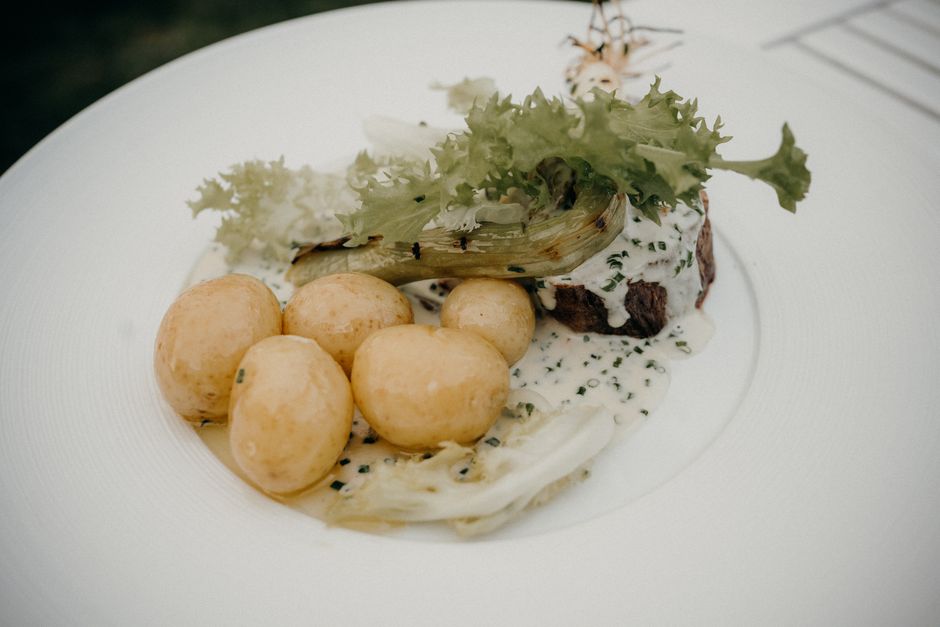
The Art of Presentation: Elevating Your Celebration's Visual Impact
In culinary artistry, presentation is a language all its own. Before a single bite is taken, your dishes communicate through color, form, and composition. This visual element transforms food from simply nourishing to genuinely captivating, setting the emotional tone for your entire celebration.
Consider how different plating styles shape your guests' expectations. A minimalist approach with negative space invites contemplation and focus on individual components. A more abundant presentation suggests generosity and abundance. Neither is superior—each tells a different story and serves different occasions.
Color and Composition
The most visually compelling plates balance color intentionally. A monotone plate, no matter how delicious, may seem less appetizing than one with natural color variety. Fresh greens, vibrant reds from tomatoes or beets, golden-brown seared proteins—these create visual interest and signal freshness and quality. Thoughtful plating also considers the white space of the plate itself as an important design element.
Height and Dimension
Professional presentations often incorporate height and dimension, drawing the eye upward and creating visual excitement. This isn't about stacking food haphazardly—it's about strategic arrangement that's also structurally sound and, most importantly, delicious to eat. Each component should contribute meaningfully to both aesthetics and flavor.
Texture and Finish
Visual texture matters enormously. The glossy finish of a carefully made sauce, the rustic appeal of hand-torn herbs, the architectural precision of a garnish—these details announce that care has been taken. Crispy elements create visual interest through contrast with creamy components. Microgreens or edible flowers add sophistication and whimsy.
Consistency and Storytelling
When multiple courses appear on a table, visual consistency across plates creates harmony, while intentional variations tell the story of your menu's progression. Perhaps each course builds in visual complexity, mirroring flavor development. Or perhaps each plate stands as its own art piece while belonging to a cohesive whole.
The Practical Reality
Beautiful presentation requires intentional planning. How many dishes can your team plate just before service? Will plating happen in-kitchen or tableside? These logistical considerations influence menu design and presentation style. Experienced culinary professionals balance aesthetic ambition with practical execution, ensuring every plate reaches your guests in perfect condition.
Presentation transforms a meal into theater, engaging your guests' senses before they even begin eating. When food looks as thoughtful as it tastes, you've created an experience that resonates far beyond the table.